Embroidery Thread Types Explained: Which Thread Should You Use?
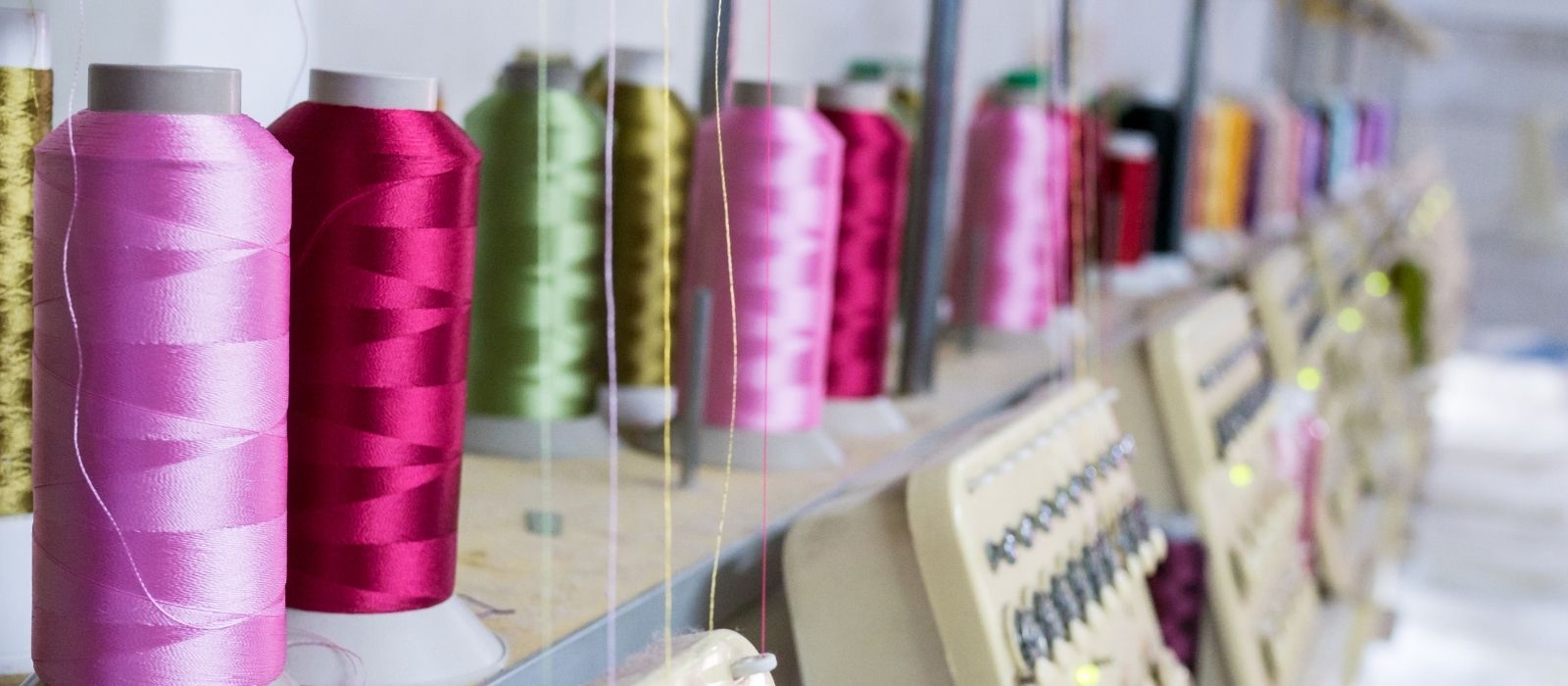
Thread is one of the most important parts of any embroidery project.
The right thread can make an embroidery design look smooth, bright, and professional. The wrong thread can lead to thread breaks, poor stitching, dull colors, or other problems.
But with so many types of embroidery thread available, choosing the right one can be confusing.
Should you use polyester or rayon? Is cotton thread good for machine embroidery? When should you use metallic thread?
In this guide, we will explain the most common types of embroidery thread, their main features, and where they work best.
Why Does Embroidery Thread Matter?
Embroidery thread does more than add color to a design.
The type of thread you choose can affect:
- The appearance of the design
- Stitch quality
- Thread strength
- Shine and texture
- Durability
- How smoothly the machine runs
- How the finished embroidery looks after washing
Different projects may require different types of thread.
For example, a company logo that will be washed regularly may need a strong and durable thread. A decorative design may benefit from a thread with a shiny finish.
This is why choosing the right thread is an important part of embroidery.
1. Polyester Embroidery Thread
Polyester is one of the most popular choices for machine embroidery.
It is known for being strong, durable, and resistant to many common conditions.
Main benefits of polyester thread:
- Strong and durable
- Good color stability
- Resistant to fading
- Handles regular washing well
- Suitable for many types of clothing
- Works well for commercial embroidery
Polyester thread is often used for uniforms, workwear, shirts, hats, bags, and other products that need to withstand regular use.
It is also a popular choice when durability is important.
When should you use polyester?
Polyester is a good option for:
- Company uniforms
- Sports clothing
- Workwear
- Caps
- Polo shirts
- Jackets
- Everyday garments
- Commercial embroidery
For many everyday machine embroidery projects, polyester is a practical choice.
2. Rayon Embroidery Thread
Rayon thread is known for its smooth and shiny appearance.
It can give embroidery a bright and attractive finish, which is why it is often used for decorative designs.
Main benefits of rayon thread:
- Smooth appearance
- Beautiful shine
- Wide range of colors
- Good for detailed decorative work
- Creates an attractive finished look
Rayon is often chosen when appearance is more important than heavy-duty durability.
When should you use rayon?
Rayon can work well for:
- Decorative designs
- Fashion garments
- Home décor
- Decorative lettering
- Detailed embroidery
- Designs where a shiny finish is desired
However, rayon may not be the first choice for products that will experience heavy wear or frequent washing.
3. Cotton Embroidery Thread
Cotton thread is made from natural fibers and has a softer, more natural appearance.
It usually has less shine than polyester or rayon, giving embroidery a more traditional look.
Main benefits of cotton thread:
- Natural appearance
- Soft look
- Less shiny finish
- Good for traditional-style embroidery
- Available in many colors
Cotton can be used for certain machine embroidery projects, especially when a softer and more natural appearance is wanted.
When should you use cotton?
Cotton thread can be suitable for:
- Decorative embroidery
- Traditional designs
- Quilting projects
- Home décor
- Natural-fabric projects
- Designs where a matte appearance is preferred
Keep in mind that thread strength and machine settings should always be considered before choosing cotton.
4. Metallic Embroidery Thread
Want your embroidery to stand out?
Metallic thread can add a shiny and eye-catching effect to a design.
Metallic threads are often available in colors such as gold, silver, bronze, and other bright shades.
Main benefits of metallic thread:
- Shiny appearance
- Decorative effect
- Great for special designs
- Adds visual interest
- Available in attractive colors
When should you use metallic thread?
Metallic thread is often used for:
- Special event clothing
- Decorative logos
- Holiday designs
- Fashion embroidery
- Monograms
- Premium-looking designs
- Decorative patches
Metallic thread can be more difficult to work with than standard polyester or rayon thread. It may require the right needle, machine speed, and tension settings.
5. Wool Embroidery Thread
Wool thread is thicker than many standard embroidery threads.
It can create a raised and textured appearance, making it useful for certain decorative embroidery styles.
Main benefits of wool thread:
- Thick appearance
- Creates texture
- Produces a raised effect
- Suitable for special embroidery techniques
Wool thread is not used for every machine embroidery project, but it can be a good choice when a bold or textured appearance is wanted.
6. Silk Embroidery Thread
Silk thread is known for its smooth feel and beautiful appearance.
It has a natural shine and can create a luxurious finish.
However, silk thread can be more delicate and expensive than some other embroidery threads.
Silk thread can be suitable for:
- High-end decorative work
- Luxury garments
- Fine embroidery
- Artistic projects
- Special designs
It may not be the most practical choice for everyday workwear or items that require heavy washing.
7. Glow-in-the-Dark Thread
Glow-in-the-dark thread is a more unusual option, but it can create interesting effects.
The thread absorbs light and can glow in darker conditions.
It can be used for creative designs, children's clothing, costumes, and special projects.
It is not necessary for everyday embroidery, but it can be a fun choice when you want a design to stand out.
8. Variegated Embroidery Thread
Variegated thread contains multiple colors along the length of the thread.
Instead of changing thread colors manually, the thread itself creates color changes as the design is stitched.
This can create a unique and artistic appearance.
Variegated thread can be useful for:
- Decorative designs
- Floral embroidery
- Artistic patterns
- Creative clothing
- Quilting
The final color effect will depend on the design and stitch direction.
Which Embroidery Thread Is Best?
There is no single thread that is best for every embroidery project.
The right choice depends on what you are making and the result you want.
Here is a simple comparison:
| Thread Type | Main Feature | Common Uses |
|---|---|---|
| Polyester | Strong and durable | Uniforms, shirts, caps, workwear |
| Rayon | Smooth and shiny | Decorative and fashion embroidery |
| Cotton | Natural and softer look | Traditional embroidery, quilting |
| Metallic | Shiny and decorative | Special designs, fashion, logos |
| Wool | Thick and textured | Raised and decorative embroidery |
| Silk | Smooth and luxurious | Fine and high-end embroidery |
| Glow-in-the-dark | Glows in low light | Creative and special designs |
| Variegated | Multiple colors | Artistic and decorative designs |
Polyester vs. Rayon: Which One Should You Choose?
This is one of the most common questions in machine embroidery.
Both polyester and rayon can produce attractive results, but they have different strengths.
Choose polyester when:
- Durability is important
- The item will be washed often
- You are embroidering uniforms
- You need strong thread
- You are working on everyday clothing
- You need embroidery for commercial production
Choose rayon when:
- You want a shiny finish
- The design is mainly decorative
- Appearance is the main priority
- You are working on fashion or decorative garments
For many commercial embroidery projects, polyester is a practical choice because of its durability.
Does Thread Weight Matter?
Yes.
Embroidery threads are available in different weights and thicknesses.
A thicker thread can create a bolder appearance, while a finer thread can be useful for smaller details.
The thread weight should match the design, fabric, needle, and machine settings.
Using a thread that is too thick for a small or detailed design may make the design look crowded.
On the other hand, very fine thread may not provide enough coverage for certain large areas.
How Does Thread Color Affect Embroidery?
Color selection can have a major effect on the final appearance of an embroidered design.
A color that looks perfect on a computer screen may look slightly different when stitched onto fabric.
The fabric color also matters.
For example, dark thread may stand out strongly on a light shirt, while light thread may work better on a dark garment.
For logos and branding, it is important to choose thread colors that represent the original design as closely as possible.
Can You Use Different Thread Types in One Design?
Yes, different thread types can sometimes be used in the same embroidery design.
For example, a design might use standard polyester for most of the artwork and metallic thread for a small decorative section.
However, combining different threads requires careful planning.
Different threads may behave differently during stitching. They may also require different tension or machine settings.
A test stitch can help determine whether the combination works well before starting full production.
How to Choose the Right Thread for Your Project
Before choosing an embroidery thread, ask yourself a few simple questions.
What type of fabric are you using?
Different fabrics may require different thread and machine settings.
Will the item be washed often?
If the item will be washed regularly, durability becomes more important.
Do you want a shiny or matte appearance?
Rayon and metallic threads can create a more noticeable shine, while cotton usually provides a more natural appearance.
Is the design decorative or practical?
A decorative project gives you more freedom to experiment with different thread types.
For workwear or uniforms, durability may be more important.
How detailed is the design?
Small details may require a suitable thread thickness and proper digitizing to remain clear.
Thread Choice and Embroidery Digitizing
Thread selection is only one part of getting good embroidery.
The embroidery file also needs to be prepared correctly.
A design may look good on a computer but produce poor results if the stitch settings are not suitable for the selected thread and fabric.
Proper digitizing takes factors such as stitch type, density, direction, design size, fabric, and thread into account.
This helps the machine create cleaner and more balanced embroidery.
Final Thoughts
Choosing the right embroidery thread can make a big difference in the final result.
Polyester is a strong and versatile option for many everyday and commercial projects. Rayon is popular when a smooth and shiny appearance is important. Cotton offers a more natural look, while metallic, wool, silk, and specialty threads can be used for specific creative effects.
The best thread depends on your fabric, design, machine, and the final look you want.
Before starting a large embroidery project, it is always a good idea to test the thread and design together. A small test can help you find problems before they affect the entire production.
With the right thread, proper machine settings, and a well-digitized design, you can achieve cleaner and more professional-looking embroidery.