How to Choose the Best Fabric for Machine Embroidery
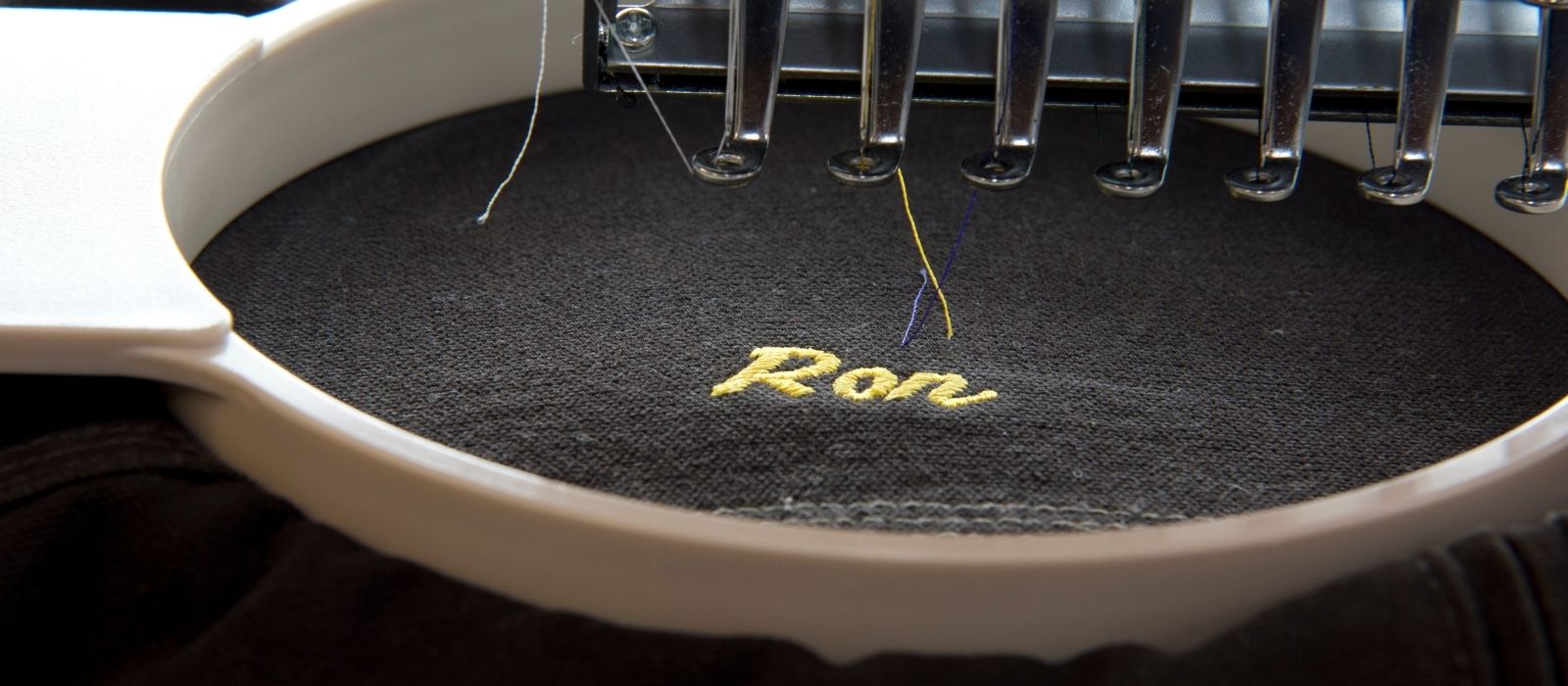
Choosing the right fabric is one of the most important steps in machine embroidery.
A beautiful embroidery design can look very different depending on the fabric it is stitched on. Some fabrics are strong and stable, while others are soft, stretchy, or difficult to keep in place.If the fabric does not have enough support, you may experience problems such as puckering, distorted designs, thread breaks, or uneven stitching.
So, what is the best fabric for machine embroidery?
The answer depends on the type of design, the size of the embroidery, the type of garment, and the result you want.
In this guide, we will look at some of the most common fabrics used for machine embroidery and explain what you should consider before choosing one.
What Makes a Fabric Good for Machine Embroidery?
Before choosing a fabric, it helps to understand what makes a material suitable for embroidery.
In general, a good embroidery fabric should be able to:
- Hold stitches securely
- Stay stable while being stitched
- Support the weight of the embroidery
- Work well with a suitable stabilizer
- Maintain its shape after stitching
Stable fabrics are usually easier to embroider because they do not move or stretch as much while the machine is working.
However, this does not mean that stretchy or delicate fabrics cannot be embroidered. They simply require more careful preparation.
1. Cotton
Cotton is one of the most popular fabrics for machine embroidery.
It is available in many weights and styles, and it is commonly used for shirts, dresses, bags, home décor, and other products.
Cotton is generally easy to work with because many types of cotton are relatively stable.
Best for:
- T-shirts
- Shirts
- Pillow covers
- Tote bags
- Kitchen towels
- Children's clothing
- Home décor
What to consider:
Lightweight cotton may need additional support to prevent the fabric from moving or puckering.
The stabilizer should be selected according to the weight and construction of the cotton.
2. Denim
Denim is a strong and durable fabric that works well with embroidery.
It is commonly used for jeans, denim jackets, bags, hats, and other fashion items.
Because denim is thicker than many common clothing fabrics, it can support bold embroidery designs very well.
Best for:
- Denim jackets
- Jeans
- Denim shirts
- Bags
- Caps
- Fashion designs
What to consider:
Thick denim can require a suitable needle and strong thread.
Large designs may also contain many stitches, so it is important to make sure the fabric and embroidery setup can handle the design.
3. Canvas
Canvas is a strong and durable material that is often used for bags, shoes, accessories, and home products.
Its stable structure makes it a good option for embroidery.
Best for:
- Tote bags
- Backpacks
- Shoes
- Work bags
- Wall décor
- Accessories
Canvas can handle bold logos and larger designs, but the thickness of the material should always be considered when choosing a needle and embroidery settings.
4. Polyester
Polyester is widely used in clothing and sportswear.
It is available in many different weights and can be embroidered successfully when the correct stabilizer and settings are used.
Best for:
- Sportswear
- Polo shirts
- Uniforms
- Jackets
- Workwear
- Promotional clothing
What to consider:
Some polyester fabrics are smooth or slippery, which can make embroidery more challenging.
A suitable stabilizer and proper hooping can help keep the fabric stable during stitching.
5. Fleece
Fleece is soft, warm, and comfortable, but it can be more difficult to embroider than stable woven fabrics.
The fabric can move or compress under the stitches.
Best for:
- Sweatshirts
- Jackets
- Blankets
- Winter clothing
- Fleece accessories
What to consider:
Fleece usually needs proper stabilization.
A topping can also be useful for some fleece projects because it can help prevent stitches from sinking into the fabric.
The design should also be digitized with the thickness and texture of the material in mind.
6. Knits
Knit fabrics are soft and flexible and are commonly used for T-shirts, sweaters, and other comfortable clothing.
Their stretch makes them more challenging for machine embroidery.
Best for:
- T-shirts
- Polo shirts
- Sweatshirts
- Casual clothing
- Stretch garments
What to consider:
The fabric needs enough support to prevent movement and stretching during embroidery.
The embroidery design should also be properly prepared for the material.
If the design is too dense or contains too many stitches, it can pull the fabric and cause puckering.
7. Linen
Linen has a natural appearance and is often used for clothing, home décor, table items, and decorative projects.
It can be embroidered successfully, especially when the fabric is properly stabilized.
Best for:
- Shirts
- Table linens
- Napkins
- Home décor
- Decorative garments
Because some linen fabrics are lightweight or loosely woven, stabilization is important.
8. Silk
Silk is beautiful and delicate, but it can be more difficult to embroider.
The fabric may be damaged or pulled if the embroidery setup is not correct.
Best for:
- Luxury clothing
- Scarves
- Decorative items
- Fine embroidery
What to consider:
Use extra care when hooping silk.
A design with a lighter stitch count may be more suitable than a very dense design.
Testing the design on a similar piece of fabric before production is highly recommended.
9. Wool and Wool Blends
Wool fabrics can be used for embroidery, especially for jackets, coats, sweaters, and other winter clothing.
The thickness and texture of wool can affect how the stitches sit on the surface.
Best for:
- Coats
- Jackets
- Sweaters
- Winter accessories
What to consider:
The fabric may need additional support.
The design should also be appropriate for the thickness and texture of the material.
10. Leather and Faux Leather
Leather and faux leather can create a premium look when combined with embroidery.
They are commonly used for patches, bags, accessories, jackets, and other products.
However, embroidery on leather is different from embroidery on fabric.
Best for:
- Leather jackets
- Bags
- Wallets
- Accessories
- Decorative patches
What to consider:
Leather does not behave like regular fabric. Needle holes can remain visible, so it is important to plan the design carefully.
Large or very dense designs may not be suitable for every type of leather.
Always test the design on a similar piece of material before production.
A Simple Fabric Comparison
Here is a quick look at some common fabrics and how they generally work with machine embroidery:
| Fabric | Embroidery Difficulty | Common Uses |
|---|---|---|
| Cotton | Easy to Moderate | Shirts, bags, home décor |
| Denim | Easy to Moderate | Jackets, jeans, bags, caps |
| Canvas | Easy | Bags, shoes, accessories |
| Polyester | Moderate | Sportswear, uniforms, shirts |
| Fleece | Moderate | Sweatshirts, jackets, blankets |
| Knit | Moderate to Difficult | T-shirts, sweaters |
| Linen | Moderate | Clothing, table items, décor |
| Silk | Difficult | Luxury clothing, scarves |
| Wool | Moderate | Jackets, coats, sweaters |
| Leather | Difficult | Jackets, bags, accessories |
These difficulty levels can change depending on the exact fabric, design, and embroidery setup.
How Fabric Weight Affects Embroidery
Fabric weight is another important factor.
Lightweight fabrics can be more likely to move or become distorted under dense embroidery.
Heavy fabrics can provide more support but may require a suitable needle and machine setup.
The design should match the fabric.
For example, a large, heavy embroidery design may not be a good choice for a very thin fabric.
On the other hand, a thick denim jacket can usually handle a much heavier design.
What About Stretchy Fabrics?
Stretchy fabrics need extra care.
When the machine stitches the design, the fabric can move or stretch. When it returns to its normal shape, the embroidery may look distorted or puckered.
To reduce this risk:
- Use the correct stabilizer
- Hoop the fabric carefully
- Avoid stretching the fabric during hooping
- Use suitable embroidery settings
- Make sure the design is properly digitized
- Test the design before production
The embroidery design itself may also need adjustments for stretchy materials.
Why Stabilizer Matters
Even a good embroidery fabric can produce poor results if the wrong stabilizer is used.
A stabilizer provides support during stitching and helps prevent excessive fabric movement.
There are different types of stabilizers, including:
- Cut-away
- Tear-away
- Wash-away
- Adhesive stabilizers
The best option depends on the fabric and the type of embroidery.
For example, stretchy fabrics often need strong support, while some stable fabrics may work well with a tear-away stabilizer.
Why Embroidery Digitizing Matters for Different Fabrics
Fabric choice and embroidery digitizing are closely connected.
A design should not always be stitched with exactly the same settings on every material.
For example, a design made for a stable denim jacket may need different settings when used on a lightweight T-shirt.
A professional digitizer can consider factors such as:
- Fabric type
- Fabric weight
- Design size
- Stitch density
- Stitch direction
- Underlay
- Pull compensation
- Stitch sequence
These adjustments can help the design work better with the chosen material.
Should You Test the Embroidery First?
Yes.
A test stitch is one of the best ways to avoid problems before starting production.
Testing can help you find issues such as:
- Puckering
- Poor registration
- Thread breaks
- Weak coverage
- Small details becoming unclear
- Fabric movement
- Excessive stitch density
Ideally, test the design on the same or a very similar fabric that will be used for the final product.
A design that works perfectly on one material may need adjustments on another.
How to Choose the Right Fabric for Your Design
If you are not sure which fabric to choose, start by looking at the purpose of the item.
For uniforms
Cotton, polyester, and cotton-polyester blends can be practical choices.
For jackets
Denim, canvas, polyester, and some wool fabrics can work well.
For T-shirts
Cotton, polyester, and knit fabrics are common choices, but they may require suitable stabilization.
For bags
Canvas and denim can provide a stable surface for embroidery.
For decorative projects
Linen, cotton, silk, and other fabrics can work depending on the design and desired look.
For patches
The fabric or material used for the patch should be stable enough to support the embroidery and suitable for the intended application.
Common Mistakes to Avoid
When choosing fabric for machine embroidery, try to avoid these common mistakes:
Choosing fabric without considering the design: A very detailed or dense design may not work well on lightweight material.
Ignoring fabric stretch: Stretchy fabrics need additional support and careful preparation.
Using the same settings for every fabric: Different materials behave differently during embroidery.
Skipping the test stitch: A small test can help identify problems before production.
Using an unsuitable stabilizer: The wrong stabilizer can lead to movement, puckering, and poor stitch quality.
Using a poorly digitized design: The embroidery file should be prepared according to the fabric and final design size.
Conclusion
There is no single fabric that is perfect for every machine embroidery project.
Cotton, denim, canvas, polyester, fleece, knits, linen, wool, silk, and leather can all be used for embroidery, but each material has its own requirements.
Stable fabrics are generally easier to embroider, while stretchy, lightweight, and delicate materials need more care.
The best results come from looking at the complete embroidery setup, not just the fabric. The needle, thread, stabilizer, machine settings, design size, and embroidery file all play a role.
Most importantly, make sure your embroidery design is properly digitized for the fabric you plan to use. A well-prepared embroidery file can help reduce common problems and make the stitching process smoother.
When you choose the right fabric and prepare the embroidery correctly, you can create clean, durable, and professional-looking designs.