What Is Embroidery Digitizing and Why Is It Important?
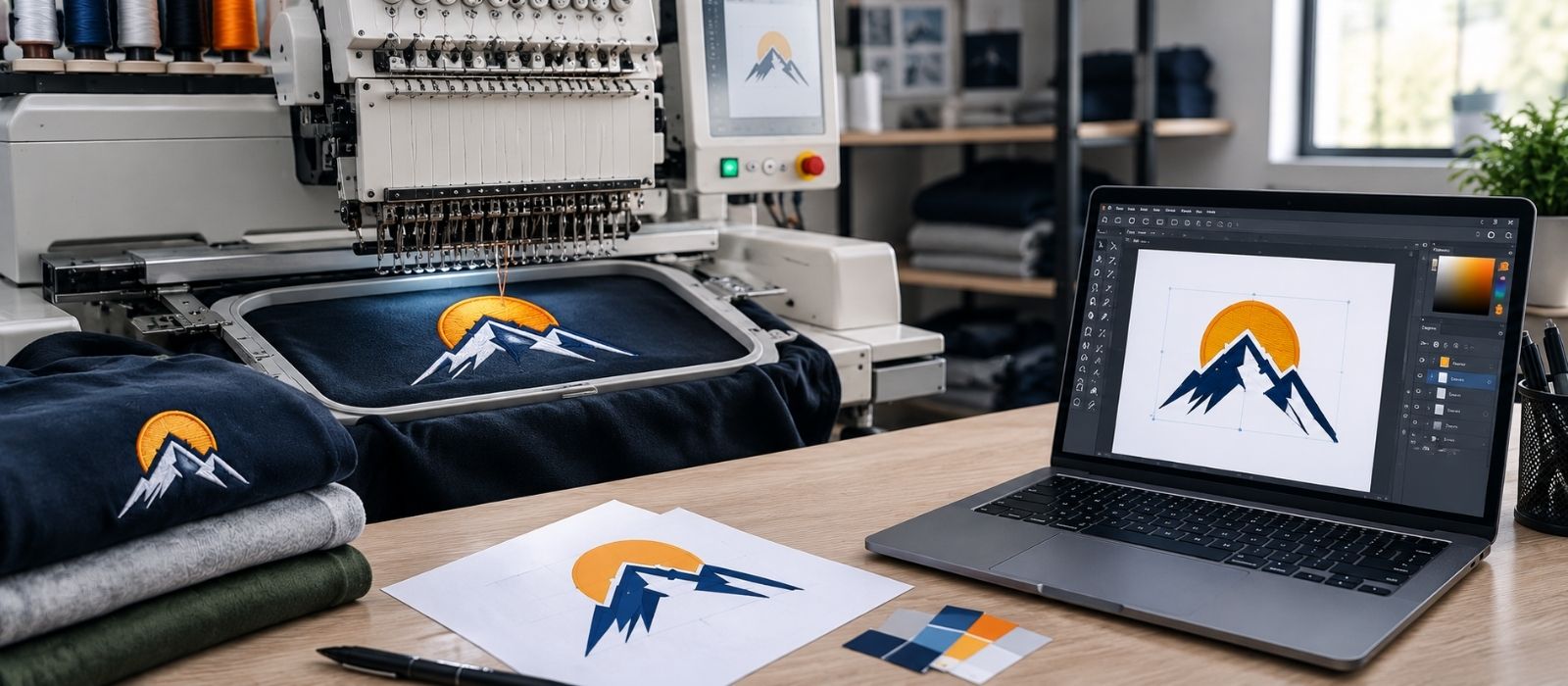
Have you ever wondered how a logo or picture becomes an embroidered design on a shirt, cap, jacket, or bag?
The answer is embroidery digitizing.
Embroidery digitizing is the process of turning artwork into a digital embroidery file that an embroidery machine can understand. The file contains instructions that tell the machine where to stitch, which type of stitch to use, what direction the stitches should follow, and when to change colors.
It may sound simple, but good embroidery digitizing requires skill and careful planning. A design that looks perfect on a computer screen may not look the same when it is stitched onto fabric.
In this guide, we will explain what embroidery digitizing is, how it works, and why it is so important for getting clean and professional embroidery.
What Is Embroidery Digitizing?
Embroidery digitizing is the process of converting artwork into a format that can be read by an embroidery machine.
For example, imagine you have a company logo in JPG or PNG format. You cannot normally send that image directly to an embroidery machine and expect it to stitch the logo.
The artwork needs to be converted into an embroidery file.
During the digitizing process, the artwork is carefully planned using stitches. The digitizer decides how different parts of the design should be stitched and how the stitches should interact with the fabric.
The final file may contain instructions for:
- Stitch type
- Stitch direction
- Stitch density
- Stitch length
- Underlay
- Color changes
- Stitch sequence
- Design size and placement
The embroidery machine then reads these instructions and creates the design using thread.
Why Can't an Embroidery Machine Use a JPG or PNG?
A JPG or PNG is an image file. It tells a computer what an image should look like, but it does not tell an embroidery machine how to create that image with stitches.
An embroidery machine needs specific instructions.
For example, a normal image might show a red circle. The embroidery machine needs to know:
- Where should the stitching start?
- What stitch should be used?
- How should the stitches move?
- How close should the stitches be?
- Where should the machine stop?
- When should the thread color change?
Digitizing provides these instructions.
This is why simply converting an image into an embroidery file is not enough. The design needs to be properly prepared for stitching.
How Does the Embroidery Digitizing Process Work?
The exact process can vary depending on the design, but professional digitizing usually involves several important steps.
1. Reviewing the Artwork
The first step is to look carefully at the original artwork.
The digitizer checks the design for its:
- Size
- Shape
- Colors
- Small details
- Text
- Outlines
- Overall complexity
Not every part of an image can be reproduced exactly with thread. Some details may need to be simplified or adjusted.
2. Choosing the Right Stitch Types
Different parts of a design may need different types of stitches.
Some common embroidery stitches include:
Running stitch: Often used for thin lines, outlines, and small details.
Satin stitch: Commonly used for borders, lettering, and narrow areas that need a smooth finish.
Fill stitch: Used to cover larger areas with thread.
Choosing the correct stitch is important because the wrong stitch can affect the appearance and durability of the finished design.
3. Setting Stitch Direction
Stitch direction is another important part of digitizing.
If all stitches run in the same direction, a design can look flat. Changing the direction of stitches can help create texture and visual interest.
The direction can also affect how light reflects from the thread.
A skilled digitizer plans stitch directions according to the shape and structure of the artwork.
4. Setting Stitch Density
Stitch density refers to how closely stitches are placed together.
Too few stitches can leave gaps and make the design look weak.
Too many stitches can create problems such as:
- Heavy areas
- Excess thread
- Fabric damage
- Puckering
- Difficult stitching
The right density depends on the design, fabric, thread, and size of the embroidery.
5. Adding Underlay
Underlay is a layer of stitches placed underneath the main stitches.
It helps support the embroidery and gives the top stitches a stronger base.
Underlay can also help prevent the fabric from showing through the design and can improve the overall appearance of the embroidery.
The type and amount of underlay needed can change depending on the fabric and design.
6. Planning the Stitch Sequence
The order in which different parts of a design are stitched also matters.
A digitizer plans the stitch sequence to help reduce unnecessary movements and improve the final result.
A good sequence can also help reduce:
- Thread changes
- Jump stitches
- Registration problems
- Unwanted gaps
This is one reason professional digitizing is more than simply tracing an image.
7. Testing the Design
Whenever possible, the design should be tested before being used for final production.
A test stitch-out can show problems that may not be visible on a computer screen.
The digitizer can then make adjustments to improve the design.
This process helps ensure that the final embroidery looks as close as possible to the intended artwork.
Why Is Embroidery Digitizing Important?
Embroidery digitizing is important because it directly affects the quality of the final embroidered product.
A good design file can help produce clean, balanced, and professional-looking embroidery.
Here are some of the main reasons digitizing matters.
Better Stitch Quality
Proper digitizing helps the embroidery machine place stitches correctly.
This can result in cleaner outlines, smoother fills, and better-looking details.
Better Fabric Results
Different fabrics behave differently during embroidery.
A design that works well on a cotton shirt may need adjustments when used on a jacket, cap, fleece, or other material.
Good digitizing takes the fabric into consideration.
Fewer Embroidery Problems
Poor digitizing can lead to problems such as:
- Thread breaks
- Puckering
- Loose stitches
- Uneven coverage
- Gaps
- Poor registration
- Excessive thread
Proper planning can reduce these problems.
Better Small Details
Small lettering and detailed artwork can be difficult to embroider.
A digitizer may need to adjust or simplify certain details so they remain clear when stitched.
This is especially important for logos and small text.
Consistent Results
When a properly digitized file is used, the same design can be stitched multiple times.
This is useful for businesses that need the same logo on uniforms, shirts, hats, jackets, bags, or other products.
Is Embroidery Digitizing the Same as Image Conversion?
No.
This is a common misunderstanding.
Image conversion usually focuses on changing one digital image format into another.
Embroidery digitizing focuses on creating a stitch plan for an embroidery machine.
A digitizer must understand both the artwork and the way embroidery works.
For example, a logo may contain a very thin line that looks fine on a computer screen. That line may be too thin to reproduce properly with thread.
The digitizer may need to make the line thicker or use a different stitch.
This is why embroidery digitizing requires more than simply clicking a conversion button.
What File Formats Are Used for Embroidery?
Different embroidery machines use different file formats.
Some common embroidery formats include:
- DST
- PES
- JEF
- EXP
- VP3
- XXX
The correct format depends on the embroidery machine being used.
Before ordering or preparing an embroidery file, it is important to know which format your machine supports.
Does the Size of the Design Matter?
Yes.
An embroidery design may need to be digitized differently depending on its final size.
For example, a logo designed to be 10 inches wide may contain details that are easy to stitch.
If the same logo is reduced to 2 inches, some of those details may become too small.
A good digitizer considers the final size when preparing the file.
This is especially important for small logos, lettering, badges, and detailed designs.
Does the Fabric Matter?
Absolutely.
The same embroidery file may not work perfectly on every type of fabric.
Cotton, denim, fleece, leather, caps, jackets, and stretchy fabrics can all behave differently when they are stitched.
A digitizer may need to adjust settings such as stitch density, underlay, stitch direction, and other elements based on the material.
This is why a good embroidery file is usually created with the final fabric and product in mind.
What Happens If a Design Is Poorly Digitized?
Poor digitizing can create problems during production.
For example, you may see:
- Thread breaks
- Uneven stitching
- Fabric puckering
- Gaps in the design
- Excessive thread buildup
- Poor lettering
- Misaligned sections
- Unwanted jumps
- A design that does not look like the original artwork
These problems can waste both time and materials.
In some cases, the design may need to be digitized again before it can be used successfully.
Who Needs Embroidery Digitizing?
Embroidery digitizing can be useful for many different people and businesses.
Clothing Brands
Apparel brands often use embroidered logos and designs on shirts, jackets, hats, and other products.
Businesses
Companies can use embroidered logos on uniforms, workwear, bags, and promotional products.
Sports Teams
Teams often use embroidery for logos, names, numbers, hats, jackets, and team merchandise.
Embroidery Shops
Embroidery businesses need properly prepared files to produce designs for their customers.
Custom Apparel Designers
Designers who create custom clothing and accessories may need their artwork converted into embroidery-ready files.
Conclusion
Embroidery digitizing is an important step between digital artwork and the finished embroidered product.
It tells an embroidery machine how to turn an image or logo into stitches. The process involves much more than simply converting a picture into a file. It requires decisions about stitch types, density, direction, underlay, sequence, size, and fabric.
When a design is properly digitized, it can stitch more smoothly and produce cleaner results.
Whether you are creating a company logo, custom clothing, embroidered patches, uniforms, or promotional products, a well-prepared embroidery file can make a major difference in the final result.
That is why professional embroidery digitizing is an important part of creating high-quality machine embroidery.