Machine Embroidery vs. Hand Embroidery
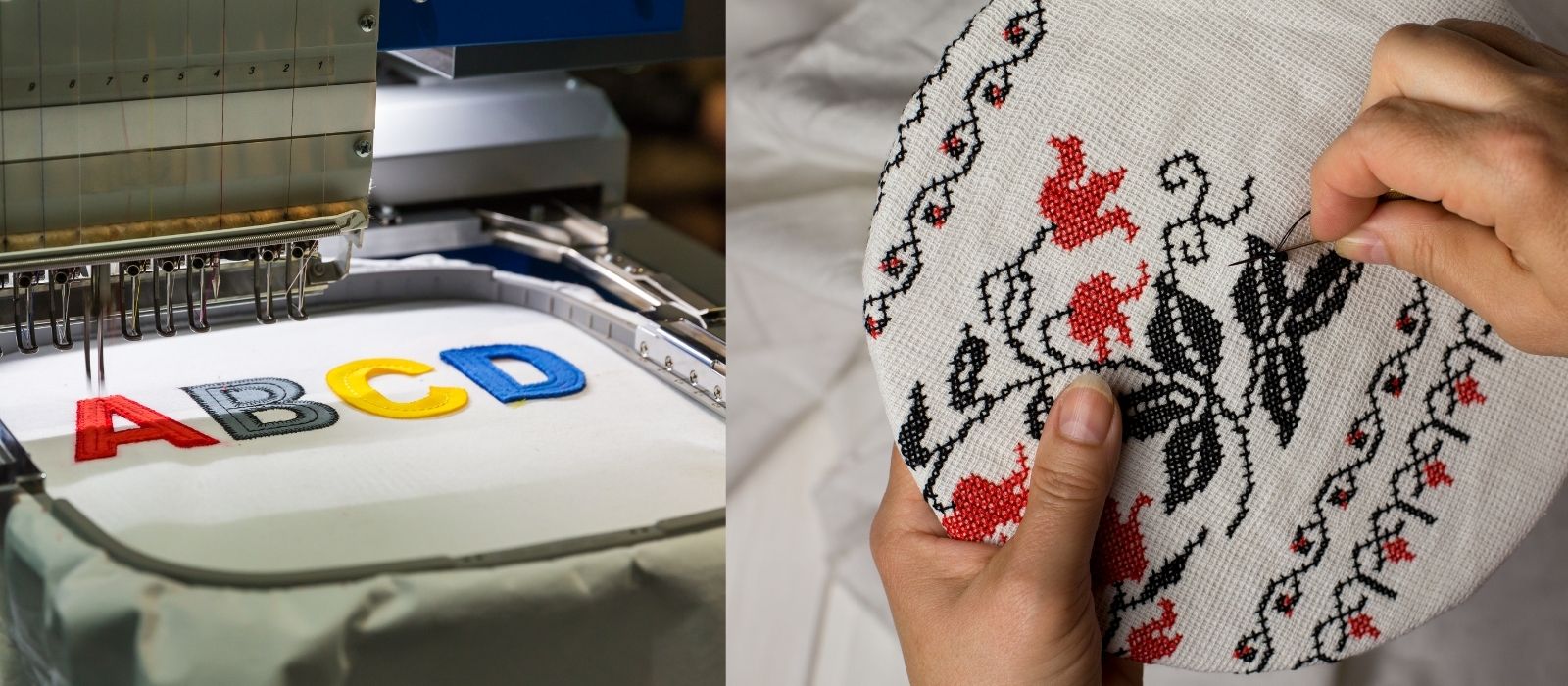
Embroidery has been used for hundreds of years to decorate clothing, accessories, home items, and many other products. While the basic idea is the same (using thread to create a design), there are different ways to make embroidery.
The two most common methods are hand embroidery and machine embroidery.
Hand embroidery is done using a needle, thread, and the hands of the person creating the design. Machine embroidery uses an embroidery machine that follows a digital design file to place stitches on fabric.
Both methods can create beautiful results, but they are different in terms of speed, detail, consistency, cost, and the type of work they are best suited for.
Let's take a closer look at the difference between hand embroidery and machine embroidery.
What Is Hand Embroidery?
Hand embroidery is the traditional way of creating embroidered designs. An artist uses a needle and thread to make stitches by hand. A hoop is often used to keep the fabric tight while the design is being created.
There are many hand embroidery stitches, including:
- Running stitch
- Backstitch
- Satin stitch
- French knots
- Chain stitch
- Cross stitch
- Blanket stitch
The person creating the design controls every stitch. This makes hand embroidery a very creative and personal form of artwork.
Hand embroidery is often used for decorative clothing, handmade gifts, artwork, and small custom projects.
What Is Machine Embroidery?
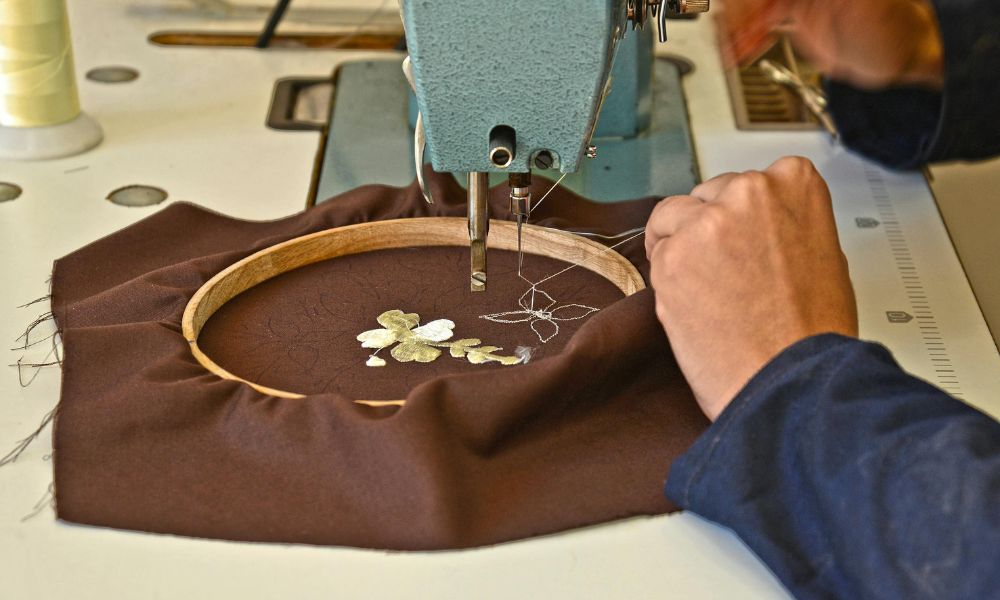
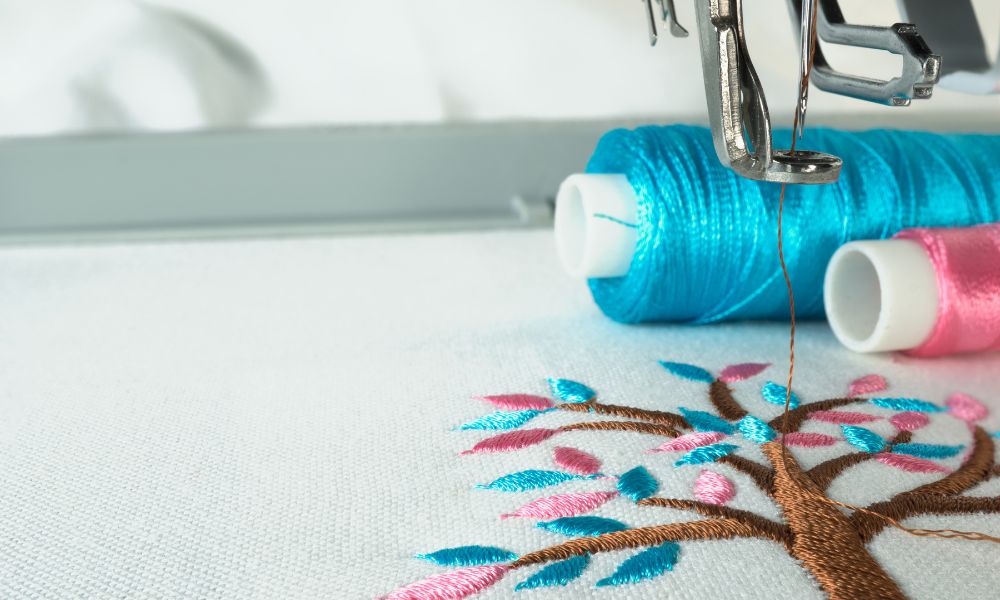
Machine embroidery uses a computerized embroidery machine to create designs on fabric.
Unlike hand embroidery, the machine needs instructions before it can stitch the design. These instructions are stored in a digital embroidery file.
This is where embroidery digitizing becomes important.
A regular image, such as a logo or drawing, cannot simply be placed into an embroidery machine. It must first be converted into a machine-readable embroidery file. A digitizer decides how the design will be stitched, including stitch types, stitch direction, density, underlay, and other settings.
Once the file is ready, the embroidery machine follows those instructions to create the design.
Hand Embroidery vs. Machine Embroidery
While both methods use thread and stitches, the way the designs are created is very different.
1. Speed
One of the biggest differences is speed.
Hand embroidery can take a long time, especially when the design contains many small details. Every stitch must be made by hand.
Machine embroidery can complete a design much faster. Once the design has been properly digitized and loaded into the machine, the machine can create hundreds or thousands of stitches automatically.
This makes machine embroidery useful for businesses and larger production orders.
2. Consistency
Hand embroidery can have small differences from one design to another. This is part of what makes handmade work unique.
Machine embroidery is more consistent. Once a good embroidery file has been created, the same design can be stitched again and again with similar results.
This is especially useful for company logos, uniforms, team clothing, and branded apparel.
3. Design Detail
Both methods can create detailed designs, but they work in different ways.
A skilled hand embroidery artist can create unique details and artistic effects that may be difficult to reproduce with a machine.
Machine embroidery can also create highly detailed designs, but the artwork must be prepared correctly for embroidery. Very small details may need to be simplified so they can stitch clearly.
This is why professional digitizing is important. A good digitizer understands how artwork needs to be changed to work well with thread and fabric.
4. Cost
The cost can also be different.
Hand embroidery is often more time-consuming because a person creates the entire design manually. This can make detailed hand-embroidered pieces more expensive. Machine embroidery can be more efficient for producing multiple pieces. After the embroidery file is prepared, the same design can be used for many items.
The total cost of machine embroidery depends on factors such as design size, stitch count, number of colors, fabric, and quantity.
5. Creativity
Hand embroidery offers a lot of freedom for artistic expression. The artist can change stitches, thread, colors, and techniques while working on the design. Machine embroidery also offers creative options, but the design must be planned and prepared digitally before stitching.
Modern embroidery machines can create many different stitch patterns, textures, and effects. With good digitizing, a digital design can be turned into an attractive embroidered piece.
6. Production Quantity
If you need only one handmade design, hand embroidery can be a great choice.
But if you need the same logo on 50 shirts, 100 caps, or hundreds of uniforms, machine embroidery is usually more practical. The embroidery file can be used again for the same design, which helps keep the results consistent across multiple items.
What Is Embroidery Digitizing?
If you are new to machine embroidery, you may wonder how an image becomes an embroidery design. This process is called embroidery digitizing.
Digitizing involves taking artwork, such as a logo, drawing, or graphic, and creating a digital file that tells the embroidery machine exactly how to stitch it.
A professional digitizer looks at the artwork and decides:
- Which stitch types should be used
- What direction the stitches should follow
- How much stitch density is needed
- Where underlay should be added
- How the design should be divided into sections
- How colors should be arranged
- How the design should work with the chosen fabric
The goal is not simply to convert an image into a file. The goal is to create a file that produces clean and reliable embroidery.
Why Good Digitizing Matters
A poor embroidery file can cause several problems.
You may notice:
- Uneven stitches
- Thread breaks
- Gaps in the design
- Too much thread
- Fabric puckering
- Poor details
- Incorrect stitch placement
A professionally digitized file is designed with the embroidery machine, fabric, and final size in mind. This is one of the biggest differences between simply converting an image and properly preparing artwork for embroidery.
Which One Should You Choose?
There is no single answer for everyone.
Choose hand embroidery if:
- You enjoy handmade artwork
- You want a unique, personal design
- You are creating a small decorative project
- You want a traditional embroidery style
- You enjoy the creative process of stitching by hand
Choose machine embroidery if:
- You need several copies of the same design
- You want faster production
- You need consistent results
- You are embroidering business logos or uniforms
- You are creating products for a clothing or apparel brand
- You need detailed designs produced efficiently
Can Hand Embroidery and Machine Embroidery Be Used Together?
Yes. The two methods do not have to compete with each other. Many embroidery artists use ideas and techniques from traditional hand embroidery while creating designs for modern embroidery machines. For example, a designer may take inspiration from traditional stitching and then create a machine embroidery version of the design.
The important thing is understanding how each method works and choosing the right approach for the project.
Conclusion
Hand embroidery and machine embroidery both have an important place in the world of embroidery.
Hand embroidery is slower and more personal, making it a great choice for handmade artwork and creative projects. Machine embroidery is faster and more consistent, making it useful for logos, clothing brands, uniforms, patches, and larger production orders.
If you choose machine embroidery, remember that the quality of the final result depends heavily on the embroidery file. Good artwork needs proper embroidery digitizing before it can become clean, professional stitching.
Whether you are creating a single design or preparing artwork for large-scale production, understanding the difference between hand and machine embroidery can help you choose the right method for your project.